
What a year spent working closely with a client taught me about AI business value, proximity, and why most AI projects still miss.
Something I didn't expect when joining a startup AI-native software agency was how much time I would end up spending inside clients' offices. In an AI era where every conversation seems to be about speed and tooling, the best ideas and most useful tools we have shipped this year have come from something less glamorous: sitting with clients, really understanding their day-to-day workflows, and finding the pain points where AI can deliver real business value.
That pattern has repeated often enough to stop being a coincidence, and it has changed how I think about delivering real value in the AI era. Being close to the client is how we have found the right problems, and the speed AI gives us is how we have been able to turn them into something useful before they shifted again.
What being in the building actually taught me
When riivo committed to spending more time in person with TTT Financial Group, I assumed the biggest benefit would be relationship-building: trust, rapport, the usual soft-value things. Those did happen, but the bigger lesson was how much you simply can't see from the other side of a video call.
What Video Calls Miss
- Stated asks and explicit requirements
- Agenda items teams already know about
- Status updates and known blockers
- Decisions already framed for discussion
- Workarounds the team has normalised
- Quiet frustrations that never reach a meeting
- Invisible workflows between tools
- Real priorities clients can't easily articulate
Two tools make the point for me. The first is a customer segmentation platform for their team. The team didn't ask for it, but sitting alongside them, I noticed how often they needed to reach a variety of clients in bulk. They were using SendGrid at the time, which could send at scale but couldn't segment clients in any meaningful way, so campaigns often went out to people they weren't really for and were easy to ignore. What we built gave them a way to reach the right clients at scale.
Client Segmentation
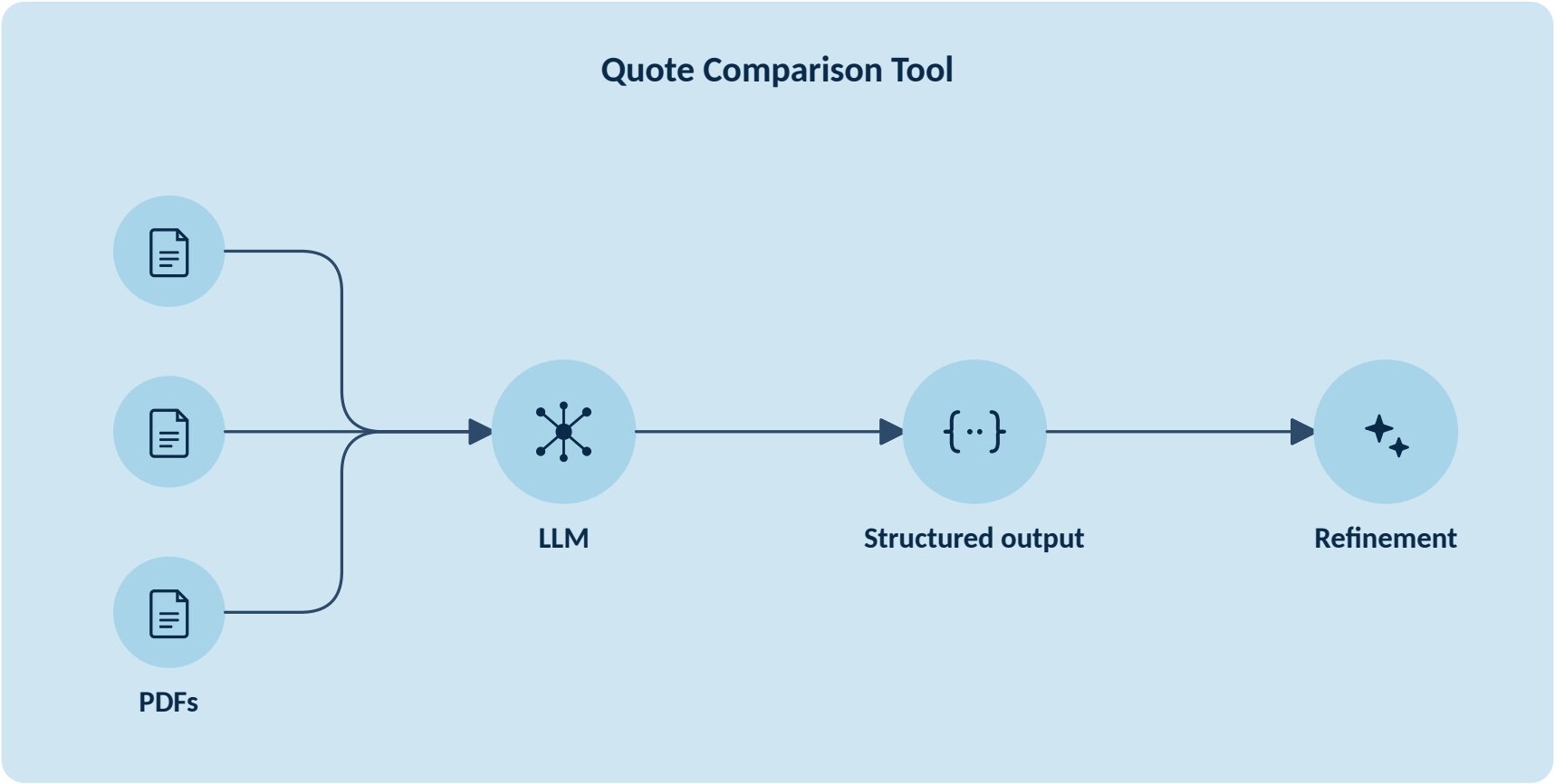
The second was a quote comparison tool for their insurance brokers. Brokers were spending hours each week pulling figures out of PDFs from different insurers and manually lining them up to advise a client. It was slow, error-prone work that sat between them and the part of the job they actually wanted to be doing. We built a full-stack application that uses AI to parse, normalise, and compare the quotes automatically, so what used to take hours now takes minutes. It has saved the team a lot of manual work, and brokers now spend more of their time on higher-value work like advising their clients.
How AI changed how we deliver real value
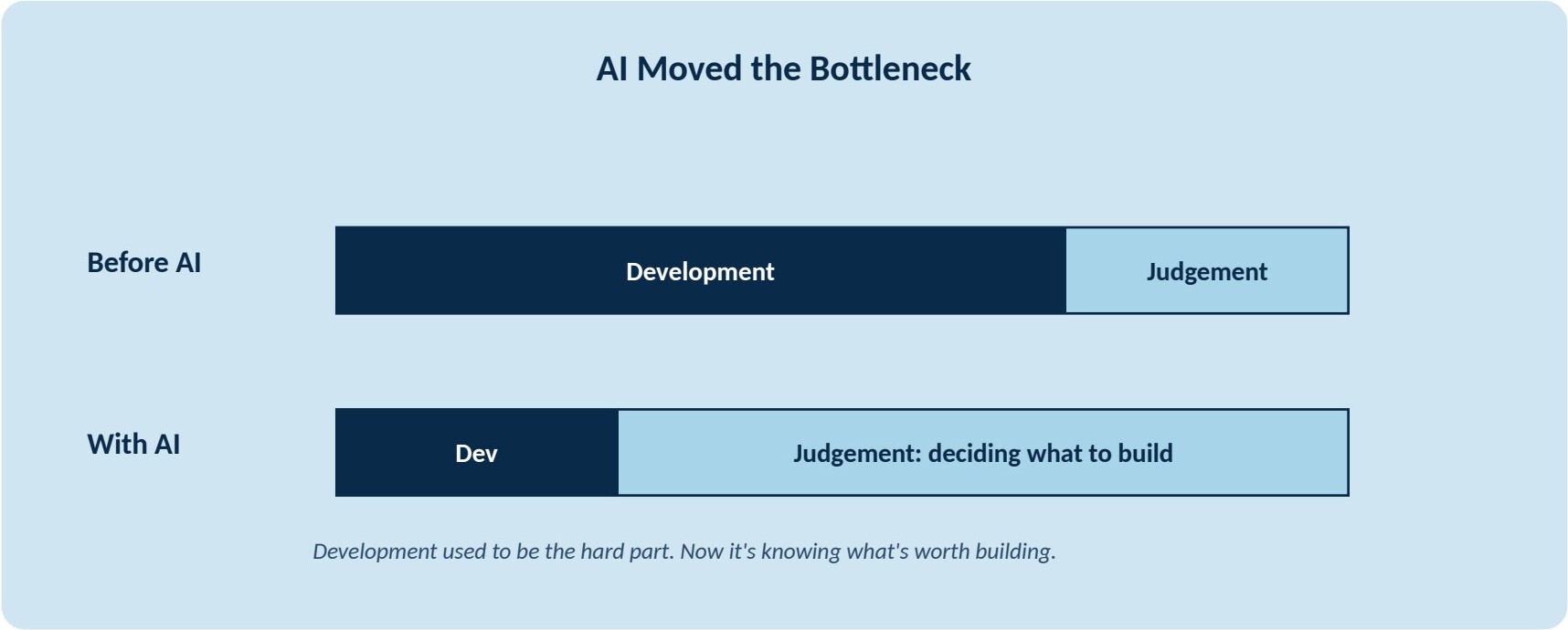
At a small AI-native software agency, the last year has challenged a lot of how we deliver value to clients. AI has compressed what used to be the hard part of delivery, so we now spend more time on the higher-value work: planning, refinement, and time with the client.
What has impressed me most is how riivo's leadership have adapted. The field is changing faster than most teams can absorb, and they've pushed us to keep reshaping what great delivery looks like as AI becomes part of the way we work.
The same adaptability is often harder inside bigger clients, where change management gets tougher the more layers a decision crosses. Our size and the way we've embraced AI mean we can move while ideas still matter.
Looking back, the year came down to being close enough to see the real problem and fast enough to act on it before it changed.
What I had to unlearn
This model is not universal. It works at TTT because of how they are set up, how they choose to work with us, and the trust they place in riivo to deliver. Recognising early whether a client fits, rather than forcing the model where it does not belong, has been one of the main lessons of the year. We go deeper into this here.
What I am taking into next year
If I had to distil the year into one thought: turning ideas into working software has never been faster, but understanding which ideas are worth turning into software has never mattered more. Holding both of those at once produced the things I am most proud of this year. Going into next year, the question I am sitting with is less about how we deliver more, and more about how we stay close to the work that actually matters.
If this approach to delivering AI value resonates, or you are thinking about how closer delivery could look inside your own team, we would love to talk.
FAQs
What does real value in the AI era actually mean?
Software the client's team actually adopts, and that moves a metric their business already cares about. Shipping is the easy part to measure; whether anything changes for the team using it is the harder question.
Why is in-person work still worth the cost in 2026?
Both practical and relational. Relationships matter, and trust built in person translates into better work later. What surprised me more is the practical side. Video calls surface what clients already know; time in their offices surfaces what they don't, the workarounds and quiet frustrations that rarely come up in a meeting.
How does AI change agency economics?
The bottleneck has moved. Development used to be the hard part; now it is judgement, deciding what is worth building. The time that frees up is best spent understanding the problem more deeply.
Can this way of working scale?
Not infinitely. Travelling and spending time with other teams has a natural ceiling, but done thoughtfully it adds real value for the right client and saves hours of calls that never surface the real problems.
What makes a client a good fit for this approach?
Readiness for change. Clients who know their current systems or workflows are holding them back, and are willing to rethink rather than patch, get the most out of this.